
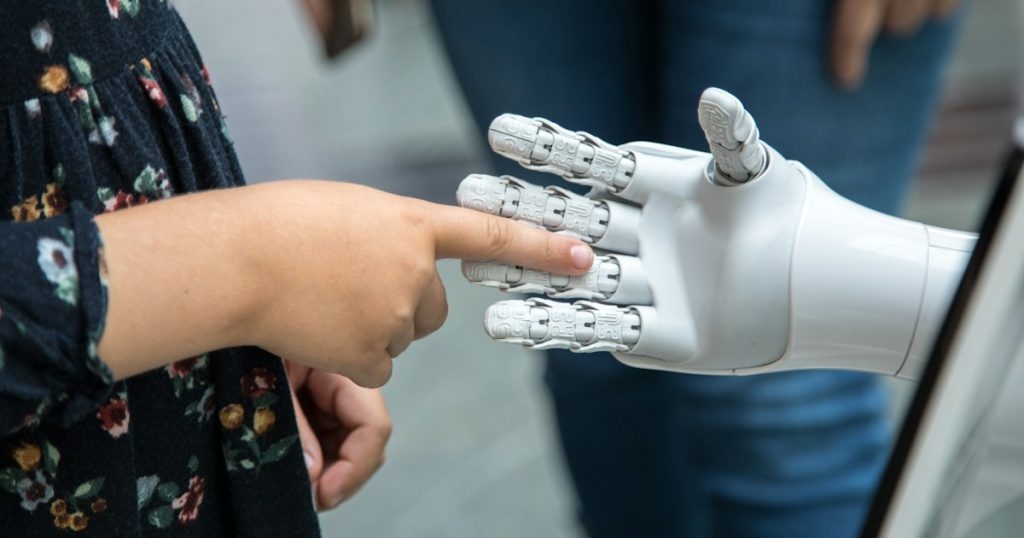
From robots that will care for the elderly to machines that will take on the most dangerous jobs. A different perspective on the future, where AI doesn’t necessarily come to replace humans, but to give them more freedom.
When we hear about the future of Artificial Intelligence, we often imagine the worst.
Robots taking our jobs. Machines making decisions for us. A world where humans lose control.
But what if we looked at the other side?
What if Artificial Intelligence, combined with robotics, could free us from some of the biggest problems we face today?
What if it could reduce workplace accidents, offer greater independence to people with disabilities, assist elderly people living alone, and protect human lives from natural disasters?
Perhaps the future isn’t as frightening as we’ve been led to imagine.
And the most interesting thing is that the first steps have already been taken.
Science fiction is beginning to become reality
In September 2026, researchers at the University of California, San Francisco, presented an impressive study.
Using technology that translates brain signals into digital commands, they enabled people with severe paralysis to control the speech and gestures of a digital avatar.
The study involved three participants, and the technology remains experimental.
But the message is significant: a person who has difficulty or is unable to communicate can, with the help of technology, regain some of their ability to express themselves.
That same year, the Austrian Academy of Sciences presented Apollo, an AI system that proposes reconstructions of lost fragments of ancient Greek texts.

Google DeepMind also announced significant progress in tropical cyclone forecasting, offering meteorologists the ability to make more accurate predictions with longer lead times.
Three different fields: medicine, history, and meteorology.
One thing in common: Artificial Intelligence is used to enhance human capabilities.

The real revolution may come when AI gains “hands”
Until now, we’ve gotten used to thinking of AI as something on a screen.
We ask it questions. It writes texts for us. It analyzes images. It helps us organize our work.
But what happens when this intelligence is combined with a robotic body?
Then the change becomes much greater.
In July 2026, Google DeepMind unveiled Gemini Robotics 2, a new generation of systems that enables robots to perceive their environment, plan actions, manipulate objects, and collaborate.
These demonstrations do not mean that we already have reliable robots for every home. Many simple human movements remain difficult for machines.
But they show where the technology is headed.
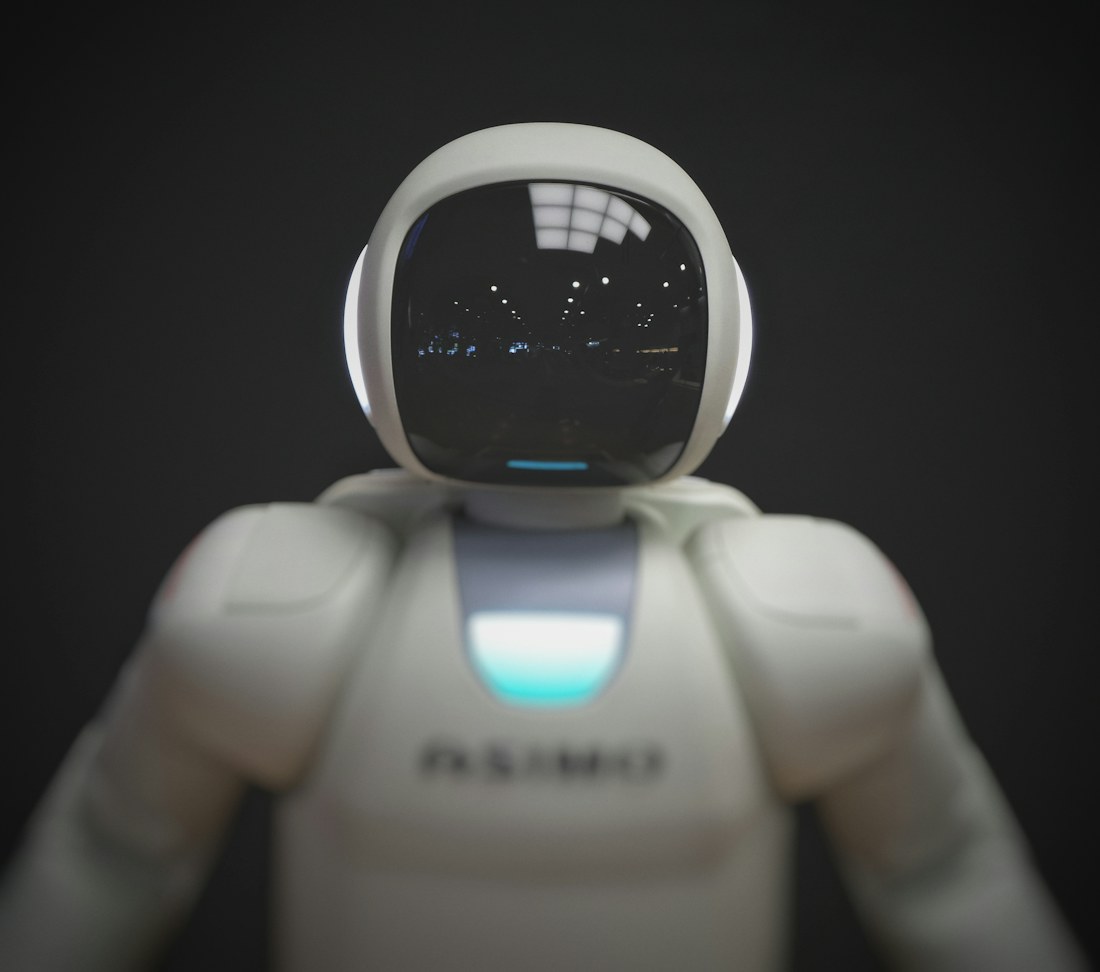
And this is where the really exciting part begins.
This illustration depicts collaboration; it is a conceptual diagram, not a scientific simulation.
Imagine a home where no elderly person is completely helpless
Let’s fast-forward to 2035.
An elderly woman lives alone. Her children work and cannot be by her side all the time.
Today, a fall inside the home could mean she’s left helpless for hours.
In a possible future, a home robot could sense that she has fallen, ask her if she needs help, and, if she doesn’t respond, alert her family or emergency services.
It could bring her water, pick up objects from the floor, carry groceries, or help her communicate with her family.

The idea is not entirely theoretical. Research projects, such as GUARDIAN in Germany, are already exploring how AI and sensors can support independent living for older adults.
The robot doesn’t need to replace human care. Instead, it can allow people to devote more time to companionship, communication, and meaningful care.
Perhaps technology won’t make families more distant. Perhaps it will help them be present where they’re truly needed.
And what if people stopped doing the most dangerous jobs?
Think of a firefighter who has to enter a building on the verge of collapse.
A worker cleaning out toxic tanks.
A rescue worker operating beneath rubble after an earthquake.
A technician who has to approach a facility containing hazardous chemicals.
Why should people always have to be exposed to such dangers?
In the future, specially designed robots equipped with AI could precede human teams, check the stability of structures, detect hazardous substances, and transport equipment or supplies.
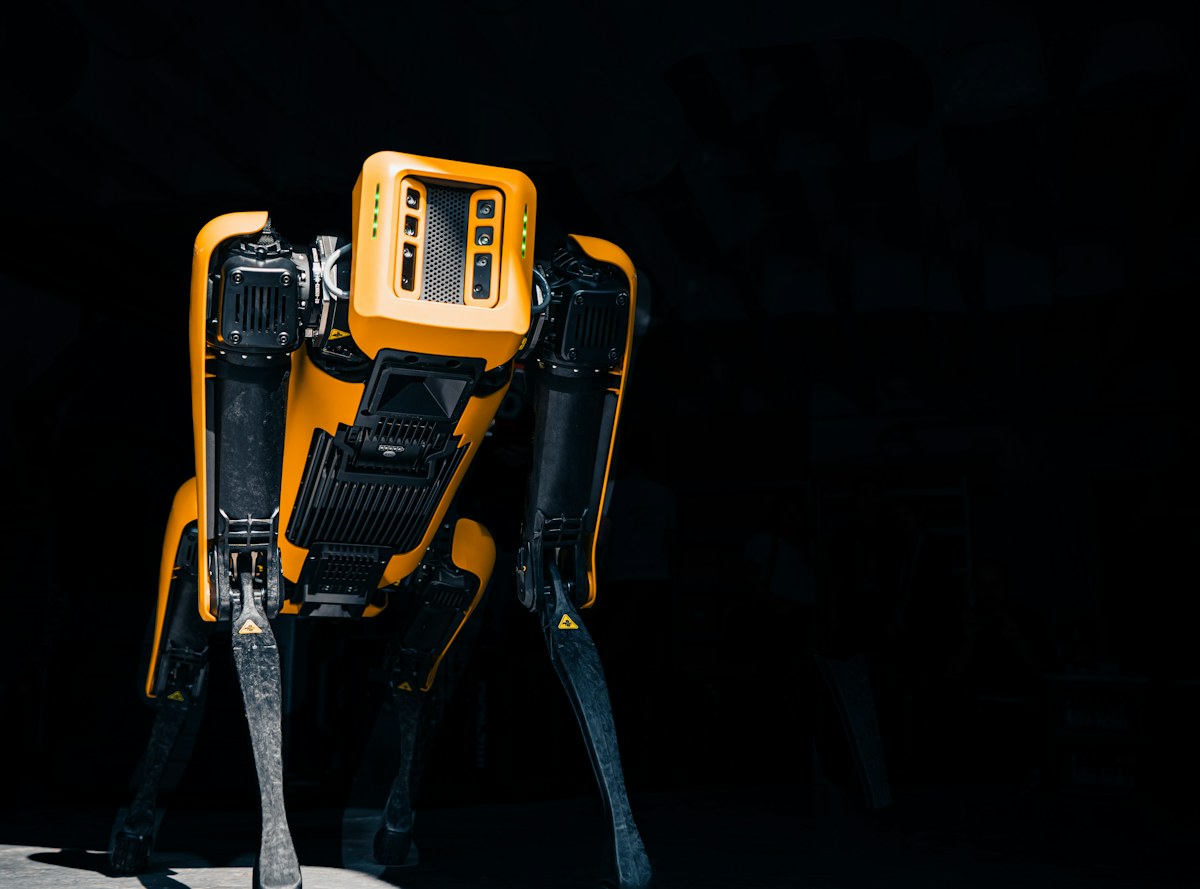
They won’t be able to handle every situation. Nor will they eliminate the dangers.
But they could reduce human exposure to some of the most dangerous missions.
And if such technology saves even one human life, its value will be immeasurable.
A future with fewer accidents and preventable errors
There is another possibility that I consider particularly important.
Today, many accidents occur due to fatigue, inattention, delayed reaction, or misjudgment of a hazard.
A future TN system could monitor machine operation and issue a warning before a serious malfunction occurs.
Potential application: The technology helps identify a hazard before people are exposed to it.
Robotic systems could take over repetitive, strenuous, or hazardous tasks in factories, warehouses, and construction sites.
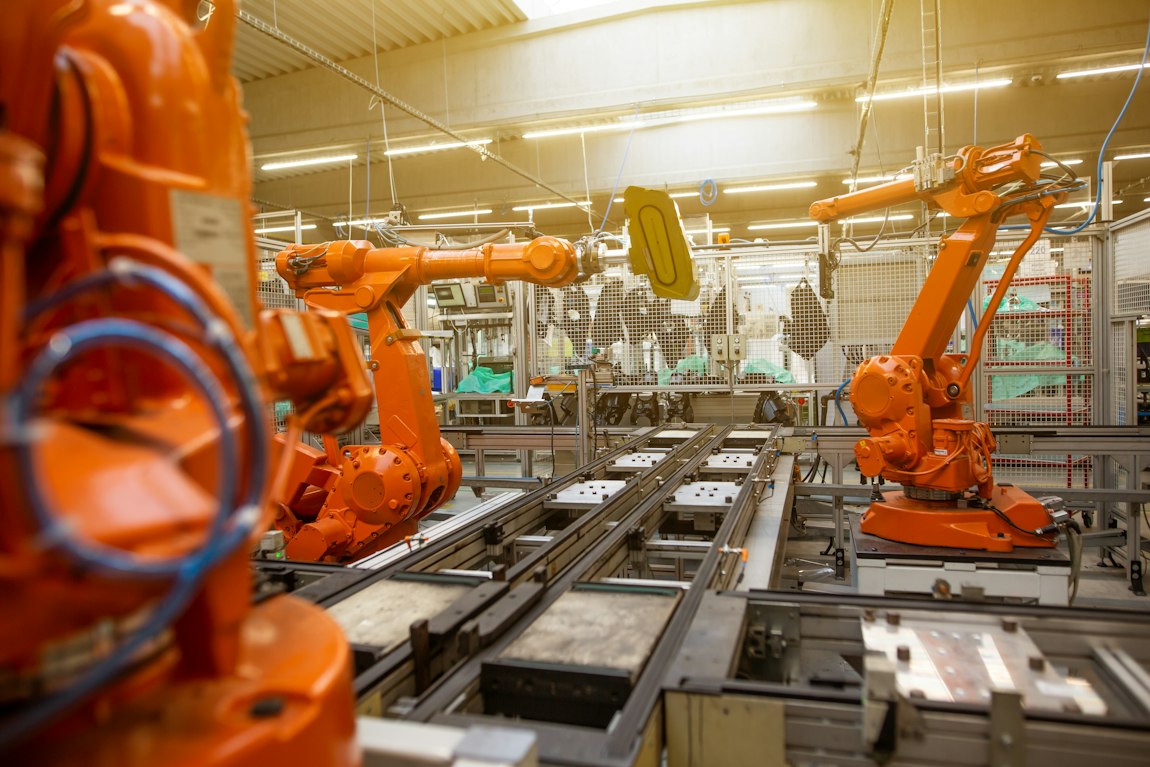
In hospitals, machines could transport supplies and handle support tasks, freeing up more time for nurses to care for patients.
On the roads, improved driver-assistance systems could detect hazards that a tired driver might be slow to notice.
Of course, machines make mistakes too. That’s why rigorous testing, operational limits, and human oversight are essential.
But progress doesn’t have to mean eliminating every risk.
It may simply mean that some people will return safely to their homes, whereas without this technology, they might not have made it back.
Could AI also grant us the most precious commodity of all: time?
Let’s imagine an ordinary family.
The parents work. There are children, school, cooking, cleaning, bills, appointments, and dozens of daily chores.
What if an affordable robot could take over some of the repetitive household chores?
Tidying up, carrying things, helping to prepare simple meals, or taking care of basic tasks while the family focuses on something more important?
It’s not certain that we’ll reach such a level of automation anytime soon. Today’s robots still have limitations in terms of dexterity, safety, and cost.
But if the technology matures, its true value may not lie in how much better a house gets cleaned.

It could mean that a parent will have more time to play with their child. That an elderly person will maintain more independence. Or that a person with a disability will need less help with simple daily activities.
These are not minor changes.
They are changes in the quality of human life.
We could build a society with less waste and more prevention
Let’s put the pieces together now.
AI provides better predictions for certain extreme weather events. Robots can operate in challenging environments. Smart systems can detect malfunctions and improve resource management.
These capabilities, if developed properly, could work together.
Conceptual illustration of potential collaboration between AI and human services—not an actual system in operation.
A water supply network could detect small leaks before large amounts of water are lost.
Robots could inspect hazardous infrastructure without constantly exposing workers to danger.
In agricultural production, more precise crop monitoring could reduce unnecessary inputs and losses.
In areas threatened by natural disasters, early warning systems could be combined with more effective organization of civil protection services.
None of this will happen automatically. It requires investment, public infrastructure, sound regulations, and a genuine evaluation of results.
But the possibility of preventing more problems, rather than simply trying to fix their consequences, is an exciting vision.
And what about jobs?
Here we need to be particularly careful.
AI and robotics can eliminate certain jobs, transform professions, and create new inequalities.
There is no guarantee that the economic benefits will be shared fairly.
A promising vision of the future requires that workers be trained, protected, and share in the benefits of increased productivity.
If a machine can take over an exhausting or dangerous task, the goal is not simply to increase a company’s profits.
It is for people to be able to live better lives as well.
They may work in safer conditions, have more free time, or gain access to new opportunities.
Whether AI will lead to greater prosperity or greater inequality is not solely a technological issue. It is also a social choice.
My take: The most important robot of the future might not look anything like a human
When we imagine the future, we usually picture humanoid robots walking the streets.
I believe that a different path is just as likely—and possibly more useful.
We could end up with many smaller, specialized robotic systems, each designed for specific needs.
A system at home that assists with daily care. A machine that safely cleans hazardous areas. A robot in a hospital that transports equipment. An autonomous inspection system that detects dangerous defects in bridges and buildings.
Instead of a single all-powerful machine that does everything, an entire ecosystem of assistive technologies may emerge.
This is a prediction, not a confirmed outcome. But it is based on the current direction of research into specialized robotic systems and physical AI.
And it has a significant advantage: we can design technology around specific human needs, rather than requiring people to adapt to machines.
The future may be better. But it won’t get better on its own.
None of this means we should blindly trust Artificial Intelligence.
A robot moving around our home must be safe. A system that processes health information must protect personal data. A machine that makes decisions with real-world consequences must be held accountable.
We need transparency, accountability, human oversight, and access to these technologies without them being the exclusive privilege of the financially powerful.
But fear need not be our only reaction to the unknown.
Because there is another vision of tomorrow.

A person with paralysis is able to communicate with their loved ones again.
An elderly woman feels safer in her own home.
A rescue worker doesn’t have to risk his life to inspect a hazardous site.
A worker is spared from an exhausting, dangerous job.
A family gains time to truly be together.
And perhaps, one day, we’ll look back and wonder how we ever thought it was normal to live without these possibilities.
Artificial Intelligence is, in and of itself, neither a savior nor a destroyer.
It is an extremely powerful technology, the consequences of which will depend on the choices we make.
Perhaps, in the end, AI’s greatest achievement will not be that we create machines that resemble humans, but that we will be able to build a more humane world.
BEEGITAL — Build • Optimize • Grow
Sources and Scientific References
- National Institutes of Health – Brain-Computer Interface and Communication
- Austrian Academy of Sciences – Apollo and Ancient Greek Texts
- Google DeepMind – WeatherNext and cyclone forecasting
- Google DeepMind – Gemini Robotics 2
- DFKI – GUARDIAN and support for the elderly
References to 2035 and future applications describe possible scenarios, not commercially available features. Photos are for illustrative purposes where indicated.